-
Share this page
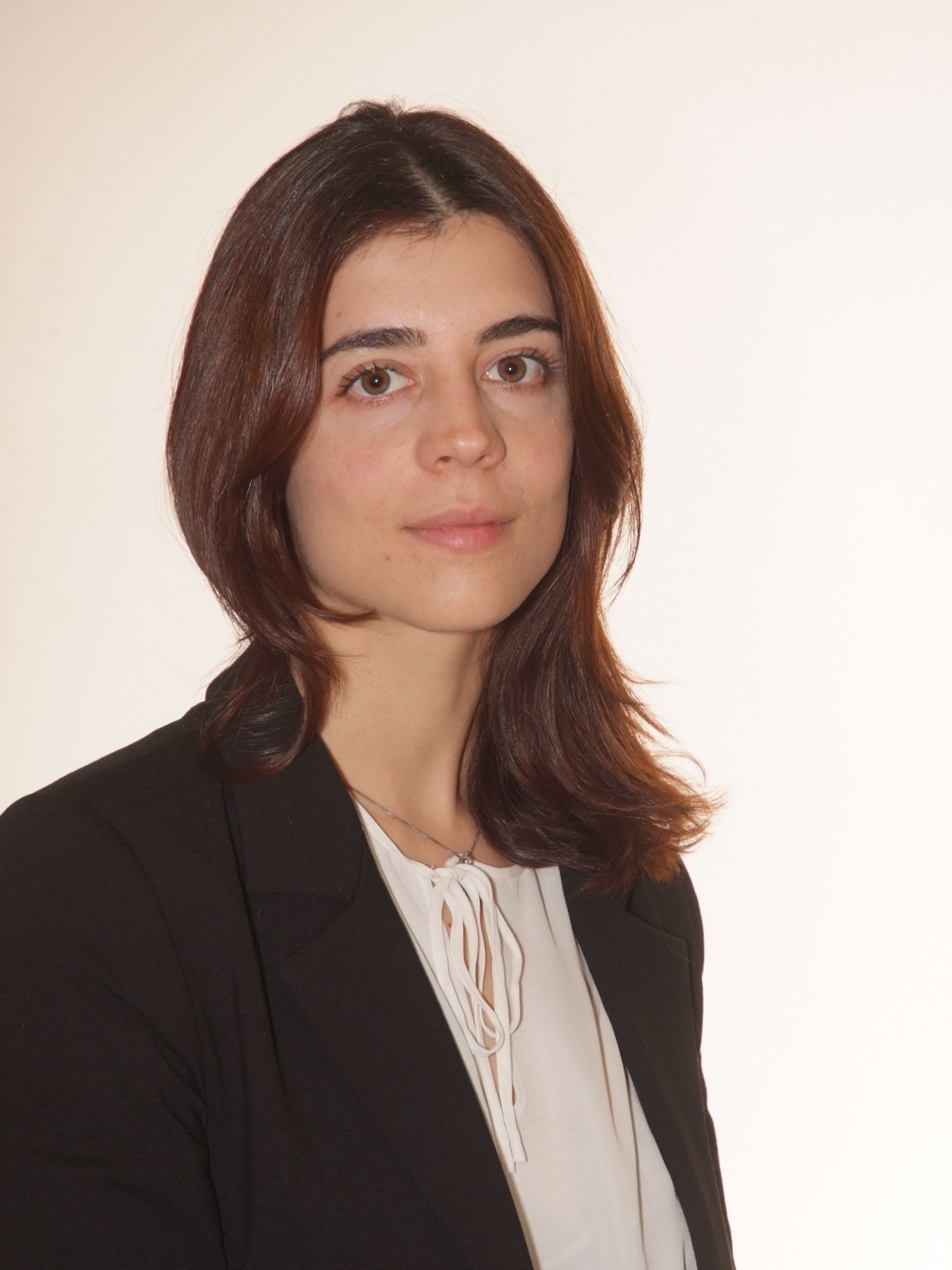
Visiting researcher: Fernanda Schininà
Published on June 5, 2026
– Updated on June 5, 2026
Fernanda Schininà is a PhD Researcher in Administrative Law at Università Cattolica del Sacro Cuore in Milan. She holds a Master’s degree in Law from the same university and is admitted to the Italian Bar.
 Research interests
Her research focuses on the European Union’s green transition and its implications for European industrial policy, with particular attention to the increasing use of State aid as a key instrument to achieve climate objectives.The project examines whether the growing reliance on State aid to finance the green transition, and the resulting flexibility in EU competition rules, can be justified in light of the risks of competitive distortions and their potential impact on the functioning of the internal market. It also explores whether more efficient and equitable mechanisms could be developed to support the financing of the green transition across Member States.
In addition, the research addresses the importance of legal certainty for private actors, assessing whether the current EU legal and judicial framework provides sufficient predictability and adequate protection of legitimate expectations for investors in green projects.
Research stay at the IEE-ULB
Fernanda’s research stay at the Institute for European Studies (IEE-ULB) will allow her to conduct interviews with EU policymakers and stakeholders in Brussels, strengthening the empirical basis of her dissertation and enabling her to closely follow ongoing EU policy debates on green energy and State aid.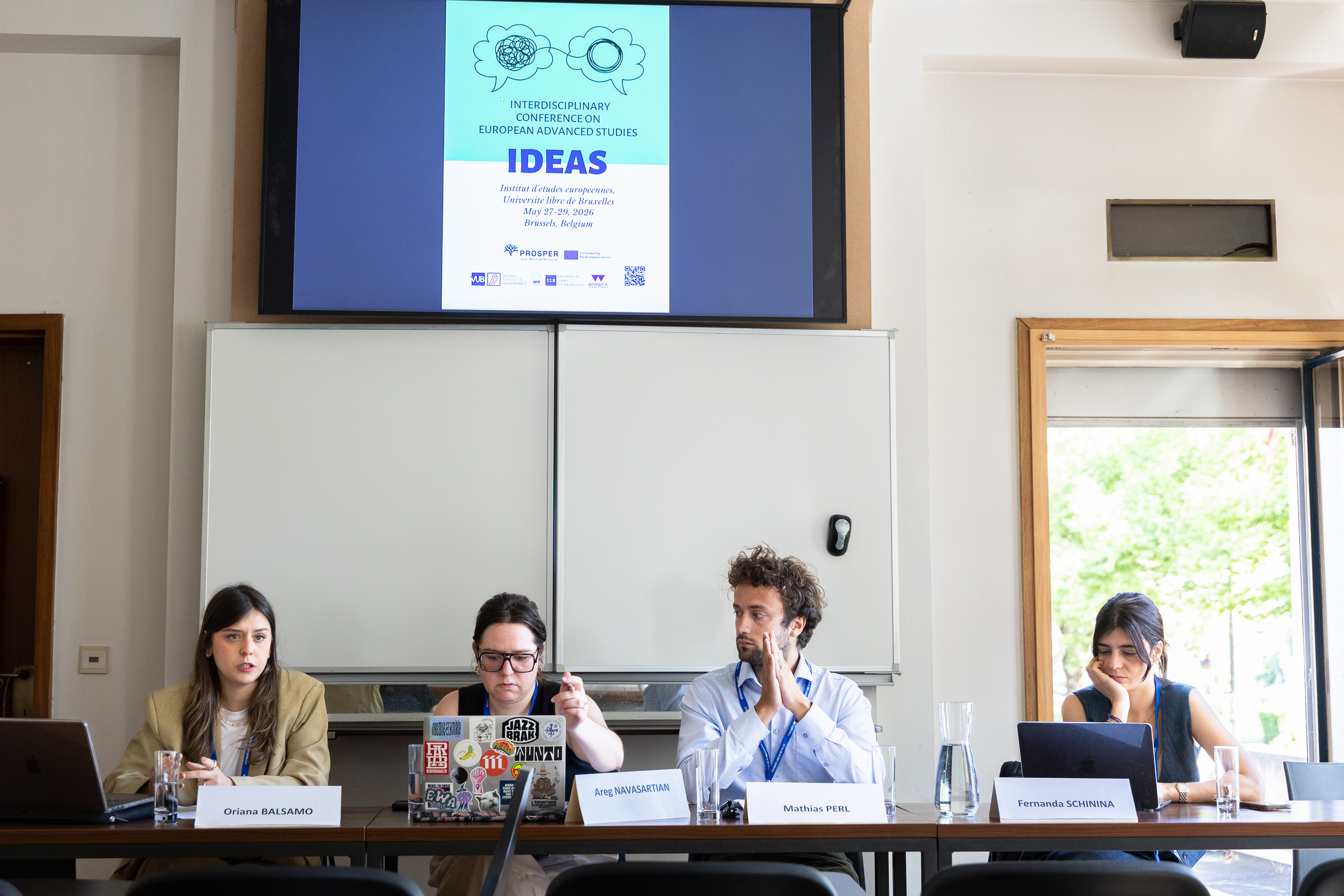
IDEAS Conference
Fernanda presented a paper at the IDEAS Conference on the evolving role of EU State aid within the Union’s green industrial strategy, and the related risks of market distortion within the internal market.How to become a visiting researcher at the IEE-ULB
For further details regarding the application procedure to become a visiting researcher at the IEE-ULB, we invite you to consult the dedicated webpage.